How the Midtown South Rezoning Opens New Development Opportunities in Manhattan
A Turning Point for Midtown Development
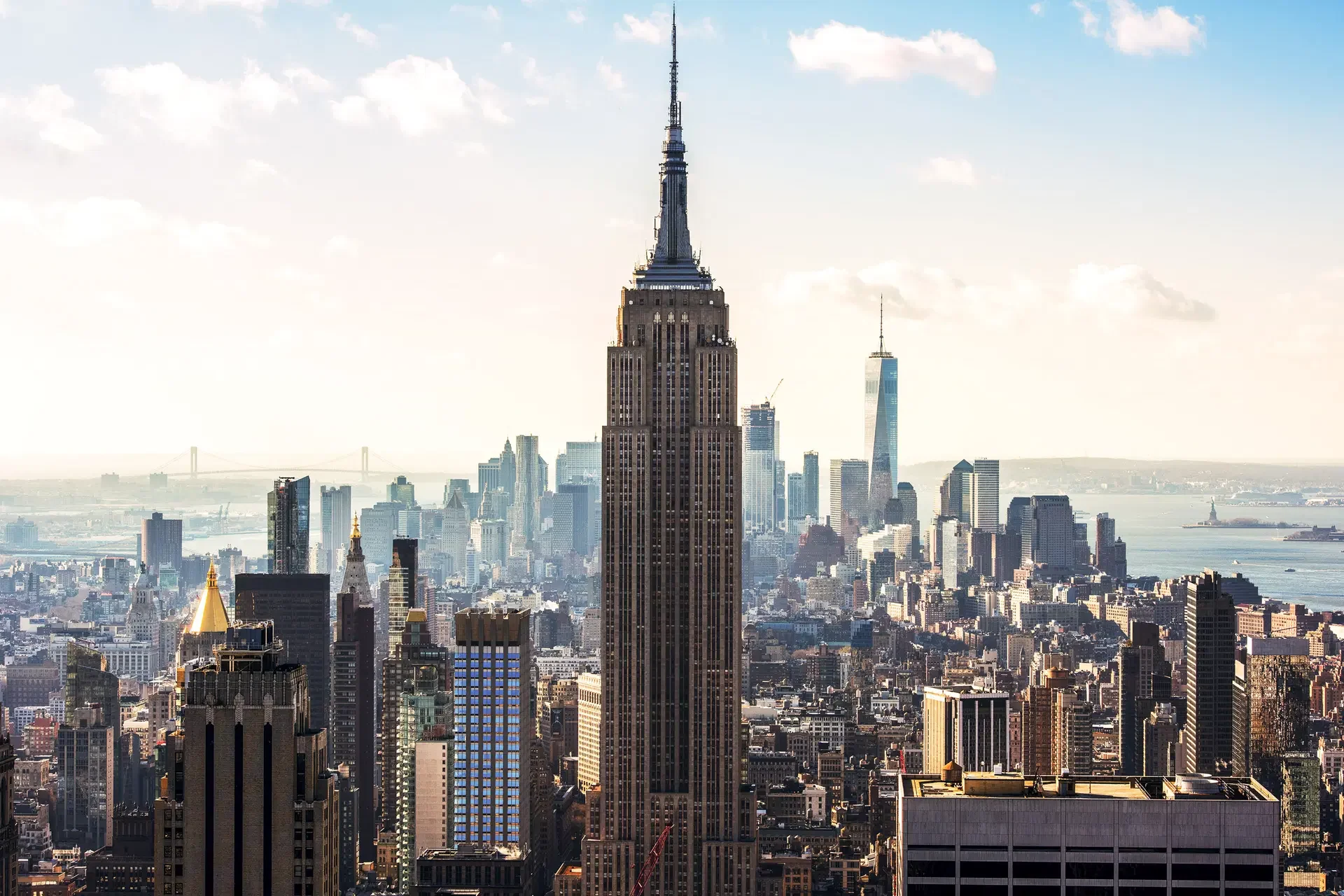
The New York City Council has approved the Midtown South Rezoning Plan, the largest residential rezoning effort in two decades. This plan reconfigures zoning across 42 blocks between 23rd and 40th Streets (5th to 8th Avenues), unlocking new development potential and reshaping how Midtown can grow.
In this post, we break down what the Midtown South rezoning includes, why it matters (especially for developers, property owners, and local stakeholders), and key strategies to navigate the changes.
1. Major Expansion of Housing Capacity
A core goal of the rezoning is to add more housing in one of Manhattan’s densest and most expensive districts. Some highlights:
The plan anticipates ~9,535 new housing units across the rezoned area (slightly lower than initial projections).
~2,842 of those units will be income-restricted/affordable under the new zoning rules.
Commercial, manufacturing, and underused parcels can now be converted or redeveloped into residential use, giving more flexibility in a formerly rigid zoning environment.
What it means for you: Properties that were previously restricted to non-residential use or low-density development may now be repurposed into higher-density residential, offering new redevelopment or conversion opportunities.
2. Mandatory Inclusionary Housing & Affordability Tools
For the first time in Midtown, Mandatory Inclusionary Housing (MIH) zones will require a portion of new developments to include affordable units. This ensures that as growth happens, it includes units accessible to a broader range of income levels.
Additional levers:
Developers who build affordable housing can unlock higher density (FAR) in many areas.
Some zones will see FAR increases from prior caps (e.g. FAR 15 or 18 in key corridors).
In sensitive zones (e.g. 23rd–27th Streets), FAR was scaled down from originally proposed 18 to 15 to address local pushback.
What it means for you: If you plan a project, structuring affordability can increase your building rights and make higher-density development more economical.
3. Infrastructure, Streetscape & Local Business Support
Rezoning is not just about buildings—it’s paired with investment and protections:
The city committed $325 million toward corridor and streetscape upgrades, especially along Broadway.
$121.9 million is dedicated to supporting garment district businesses and mitigating displacement risk.
Certain high-density zones originally proposed (e.g. between 36th–40th Streets) were removed to protect existing industry interests.
What it means for you: As the physical environment improves, properties may gain in value. But developers should be sensitive to existing local economic ecosystems (e.g. garment trades).
4. Challendes, Trade-Offs & Stakeholder Concerns
While the rezoning offers opportunity, there are pitfalls and debates to monitor:
Reduced projections: The final plan lowered total unit count and affordable unit count from earlier drafts.
Sensitive block limits: Some zones saw density capped or removed entirely after pushback from stakeholders.
Tensions between residential and commercial priorities: In transition zones, stakeholders worry residential growth may push out certain commercial or industrial uses.
Time to execution: Rezoning approval is just the first step. Realizing development depends on financing, approvals, design, and market conditions.
What it means for you: Don’t treat this as an instant unlock — careful planning is required. Engage early with stakeholders, local representatives, and affected communities.
Next Steps and Strategic Moves
To make the most of this new zoning environment, consider:
Due diligence & site-by-site analysis — Evaluate whether your property now qualifies for higher-density or residential conversion.
Affordability structuring — Incorporate MIH or other models to unlock extra FAR and incentives.
Community engagement — Work with local groups, especially in garment and industrial districts, to mitigate displacement fears.
Phased implementation — Not every block will develop immediately; target parcels with best return or strategic alignment.
Monitoring policy evolution — As rezoning rules roll out, future tweaks or extensions to adjacent areas may follow.
Final Thoughts
The Midtown South Rezoning represents a bold pivot for Manhattan’s built environment. For developers, property owners, and city planners, it offers new pathways—but also demands thoughtful execution. With the right strategy and partnerships, actors in this space can help shape a more balanced, contemporary Midtown.
Have a specific property in this zone or want help interpreting your site’s potential? We can help map out your options — just say the word.